Fredrick Kateera
Deputy Executive Director and Director of Research, Partners in Health Rwanda
Lecturer, University of Global Health Equity
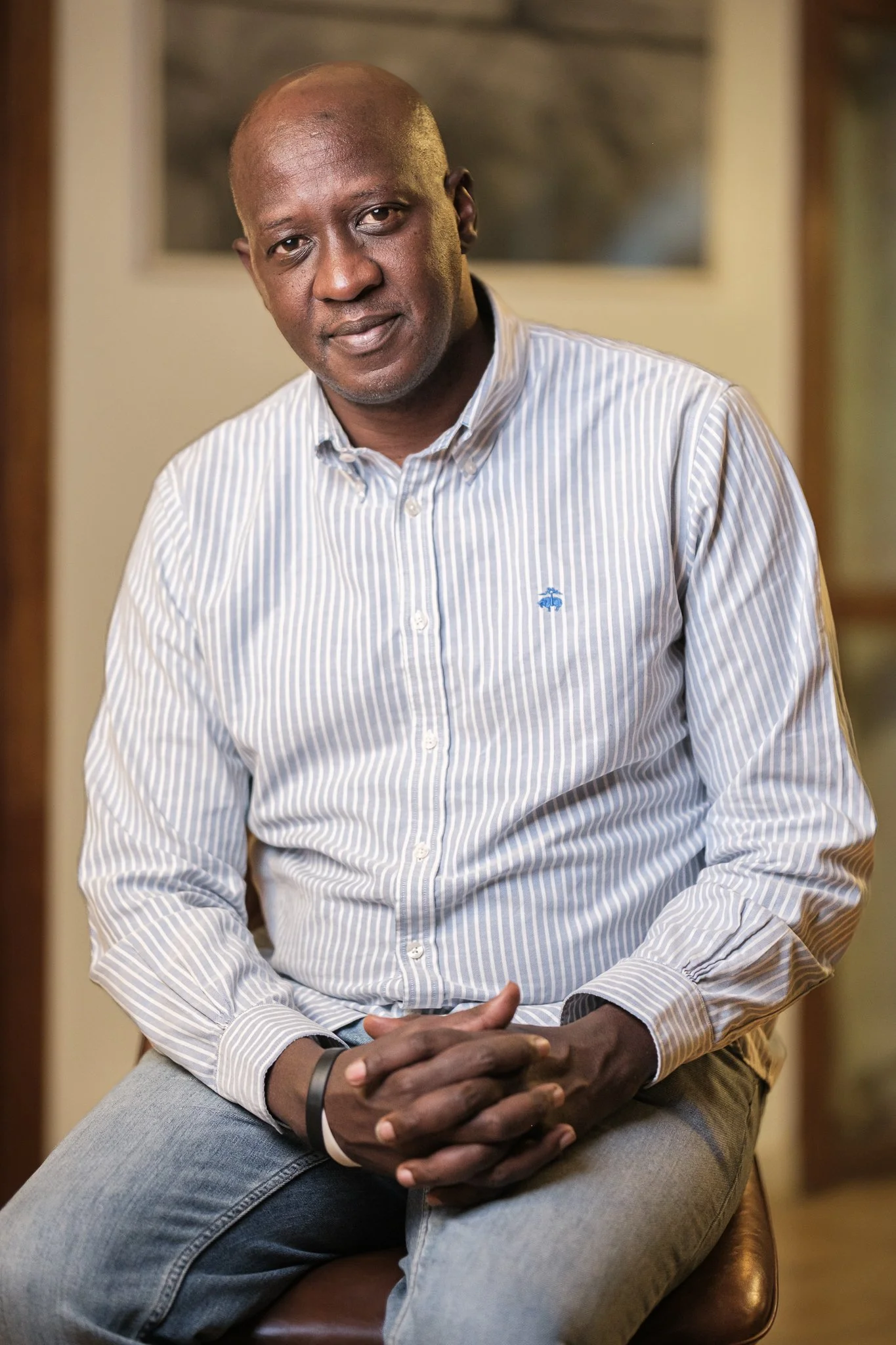
Dr. Fredrick Kateera is a Rwandan epidemiologist and researcher with extensive experience in clinical care, research implementation, and health program management across East Africa. He currently serves as Chief Medical Officer of Partners In Health/Rwanda (Inshuti Mu Buzima, IMB), where he leads clinical programs and advises the Rwanda Ministry of Health. He previously worked as IMB’s Research Director and brings over a decade of expertise in clinical care and program management that is invaluable for the design and implementation of research. As a Fogarty Global Health Fellow, he successfully implemented his own NIH grant and has five years of experience working on NIH-funded projects as a study coordinator. He also participated in the 2019 Africa mHealth Research Institute’s Workshop in Nairobi, focused on mHealth interventions in low- and middle-income countries.
In addition, Dr. Kateera has served as site Principal Investigator of an NIH R21 grant on surgical site infections and patient follow-up in Kirehe District Hospital and was part of the winning team for the NIH Technology Accelerator Challenge for Maternal Health. His research on determinants of access to care, combined with experience conducting research in tertiary hospitals in Rwanda, ensures rigorous study design and practical implementation. Through this work, he provides guidance on research questions, design, and interpretation, contributing to high-quality science with direct benefits to Rwanda, Africa, and the global health context.
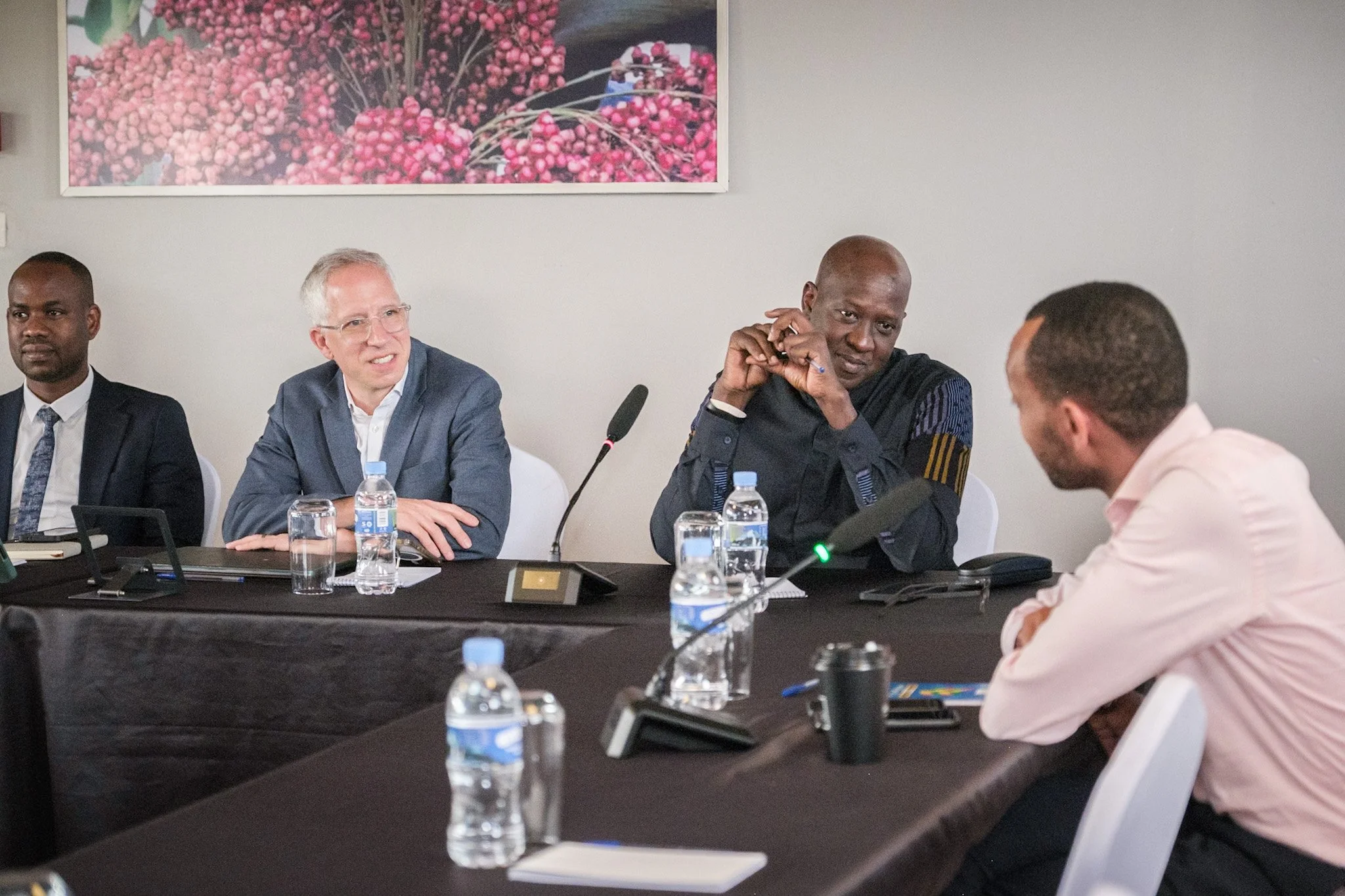
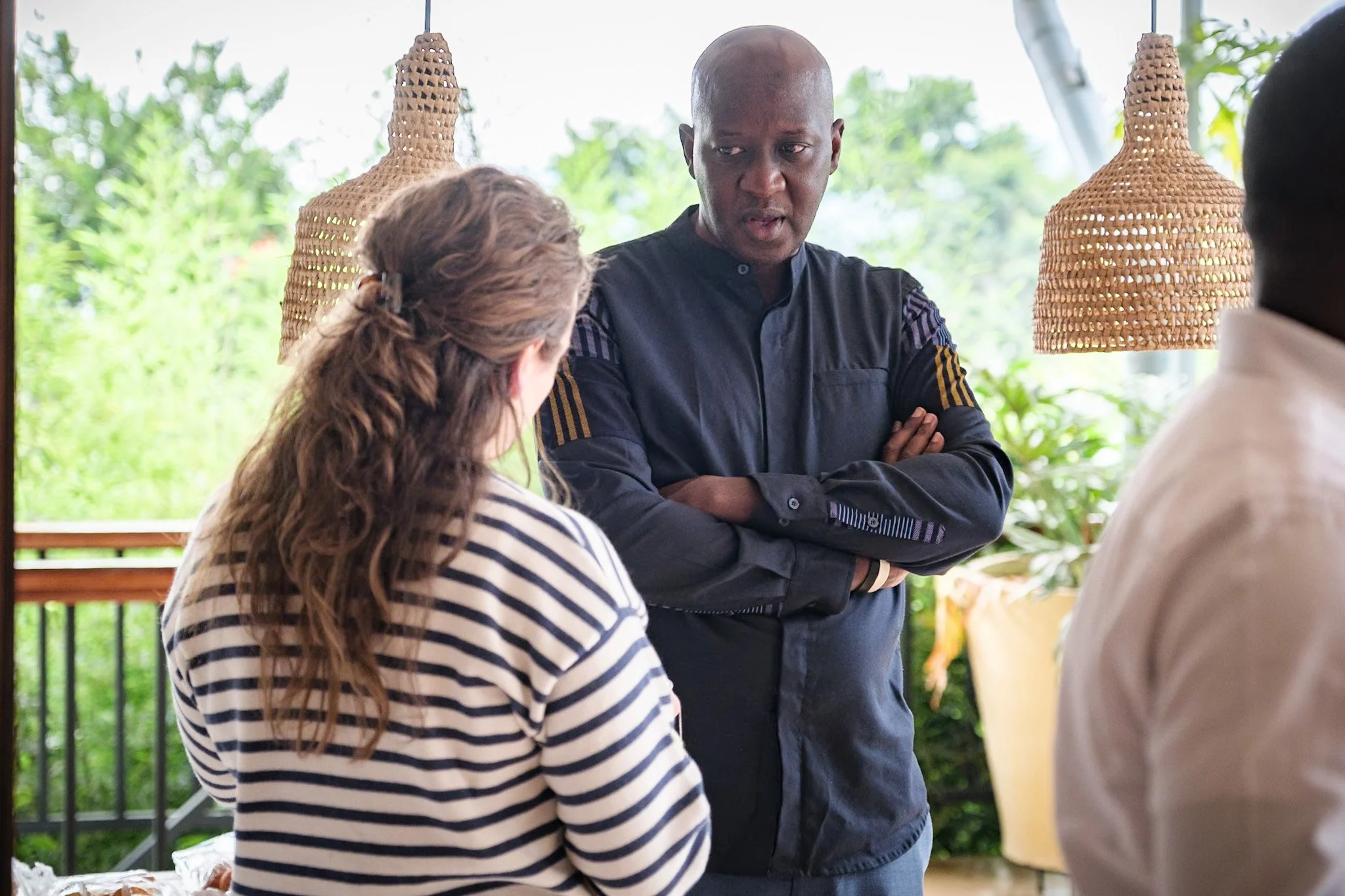
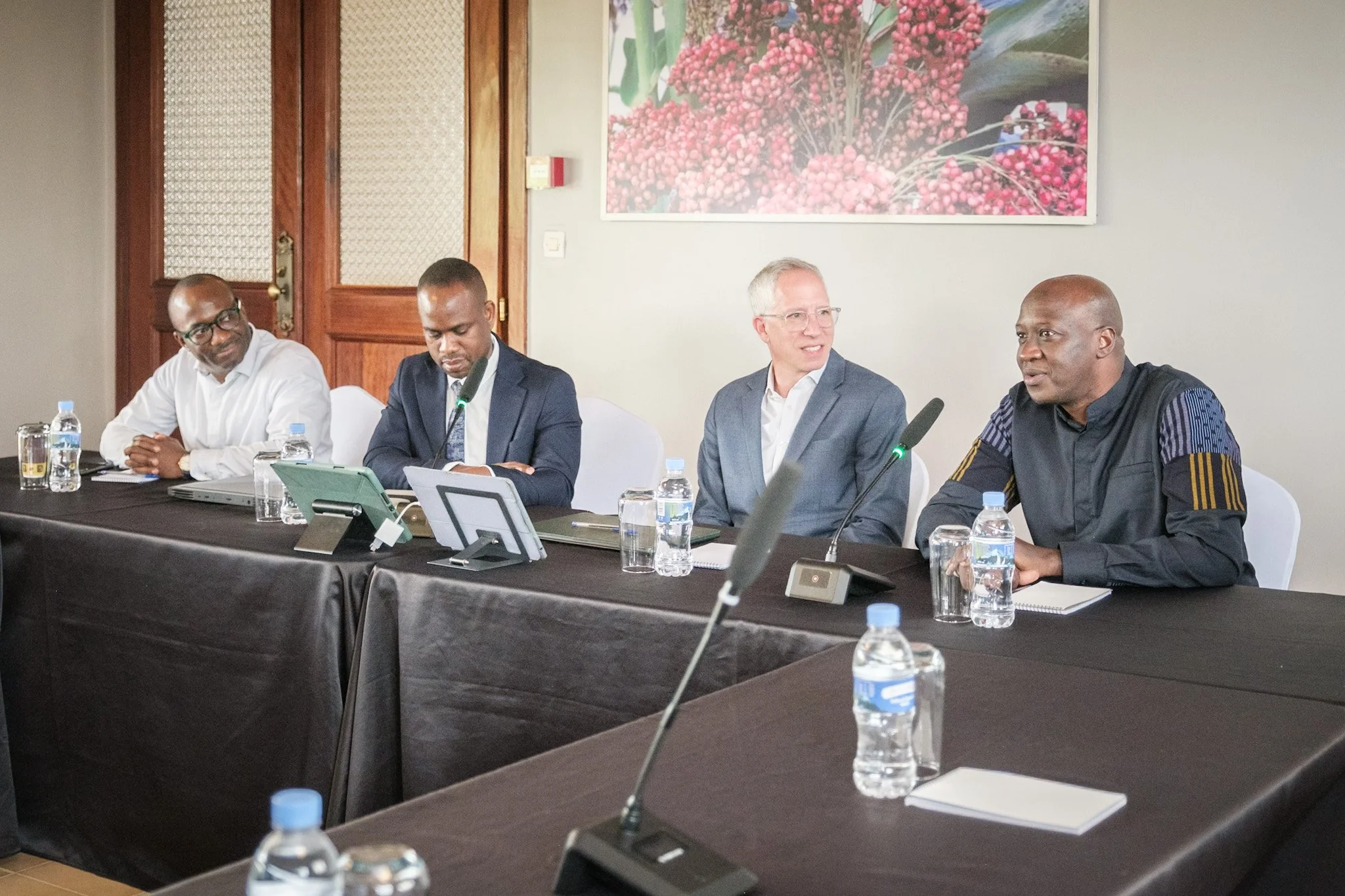
What are the major challenges you and your scientific communities have faced in leading African science that responds to the needs of the communities you serve?
“African communities have different needs from the West even when the conditions are the same. The reasons why patients get sick is the access to care, the outcomes of care. The different factors that affect optimal outcomes are very different in Africa to the West. One of the biggest needs is to characterize African problems, understand them, use the data to inform decision making and intervention planning. For the most part we have recommendations coming from the West which are good but not optimized for Africa. It is high time to use data from those communities to inform decision making and to generate optimal interventions that can give them the best chance for life.”

What do you think is the most exciting opportunity for the GLISTEN initiative?
“ GLISTEN gives us more than just a scientific paper to publish, but a capacity to translate that work into interventions that can change people's lives. So I look forward to the privilege of being able to do something to my community and look back and say, okay, this was worth investing my life in.”
If you could tell a funding organization one thing about GLISTEN and its potential to change the way we do science, what would it be?
“We are not a people just going into science for the circumstance. The group that's being gathered here has done work before.
They are choosing to do this out of a moral duty, to really add value to healthcare delivery, to influence care in their backyard, in their countries in which they work, and ultimately serve communities. So I think it's worth investment.
I think the science and its findings will find more acceptability and easier translation within the healthcare delivery system of the countries in which we work. So I'm trusting that those dollars, or whatever colors, they come in, will translate into visible public health good in the short and long run.”
A message from Fredrick
“Let the resources come. Let the partnerships come, let the support come and let’s be given a chance to solve our problems in our own backyard, where we grow and we’ve grown up where we are best appreciated and are able to really do this as a calling not just as a job.”